昌都科目四英语电子版
1. The red car is allowed to drive on this lane.

A. Right
B. Wrong
Answer: B
2. What should motor vehicle drivers do when going straight and passing through the intersection ahead?

A. Reduce speed when approaching the intersection
B. Reduce speed after entering the intersection
C. May pass through the intersection without speed reduction
D. Accelerate in advance to pass through the intersection
Answer: A
3. Which one of the following is the safest way to pass the oncoming vehicle on this road?

A. Driving along the central line
B. Driving with headlamp on
C. Yielding by the right side of the road
D. Yielding by the left side of the oncoming vehicle
Answer: C
4. The sign on the right warns of children on the section ahead.

A. Right
B. Wrong
Answer: B
5. When there is no bandage for rescuing a wounded person, which of the following measures is wrong?
A. Dress the wounds with a handkerchief
B. Dress the wounds with a towel
C. Dress the wounds with cotton clothes
D. Dress the wounds with string
Answer: D
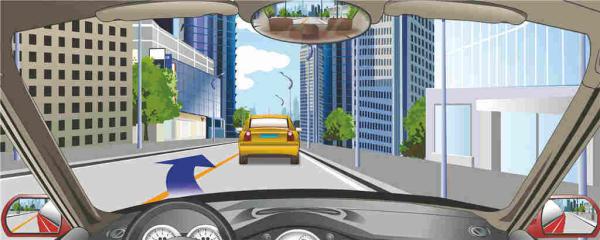
6. Motor vehicles drivers may overtake by borrowing the opposite lane on this kind of road.
A. Right
B. Wrong
Answer: B
7. This sign warns of an intersection of railways and highways ahead.

A. Right
B. Wrong
Answer: A
8. When a fast-moving vehicle is likely to collide with the vehicle in front, what should the driver do?
A. Brake to reduce speed first, and then steer to evade
B. Turn the steering wheel quickly to the left side to evade
C. Turn the steering wheel quickly to the right side to evade
D. Steer to evade first, and then brake to reduce speed
Answer: A
9. When a motor vehicle moves through water, drivers should intermittently and gently depress the brake pedal in order to restore braking efficiency.
A. Right
B. Wrong
Answer: A
10. Drivers may turn right at the intersection when traffic police give these hand signals.

A. Right
B. Wrong
Answer: A
11. When reversing in this condition, in which of the following ways can motor vehicle drivers keep safe?

A. Reverse at a lower speed
B. Voluntarily stop and yield
C. Continuously sound the horn to alert
D. Reverse in a clockwise direction
Answer: B
12. The sign on the right indicates notice by sounding the horn.

A. Right
B. Wrong
Answer: B
13. When there is no bandage for rescuing a wounded person, towels, handkerchiefs, bed sheets and stockings can all be used for dressing.
A. Right
B. Wrong
Answer: A
14. When encountering a vehicle in front ascending on a mountainous road covered with ice and snow, what should the motor vehicle driver do?
A. Ascend after the vehicle in front passes the slope
B. Overtake the vehicle in front swiftly and drive on
C. Overtake the vehicle in front with a slow speed and drive on
D. Follow the vehicle in front closely
Answer: A
15. When driving on a road covered with ice and snow, drivers tend to encounter glare caused by reflection of light rays from the road surface.
A. Right
B. Wrong
Answer: A
16. What should the driver do on this kind of curving mountain road?
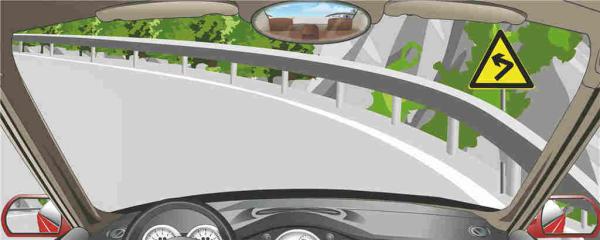
A. Borrow the opposite lane
B. Slow down and drive on the right
C. Stick to the central line of the road
D. Drive close to the right side
Answer: B
17. What should motor vehicle drivers do under the circumstance shown in the flash?

A. Drive by borrowing the opposite lane
B. Brake suddenly and pass through at a lower speed
C. Drive by the outer side of the curve
D. Reduce speed fully and drive by the right side
Answer: D
18. The sign on the right indicates an inspection station 100 meters ahead.

A. Right
B. Wrong
Answer: A
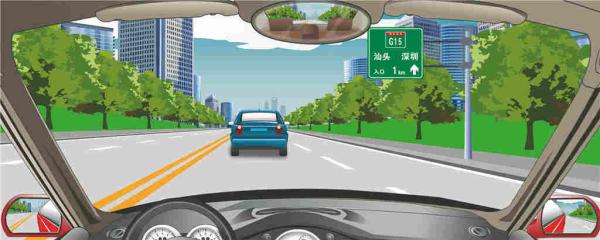
19. The sign in front indicates a one-kilometer distance from the highway entry.
A. Right
B. Wrong
Answer: A
20. When approaching each other at night in this situation, drivers should watch for the danger where the two motor vehicles headlamps meet (the sight dead zone).

A. Right
B. Wrong
Answer: A
21. The sign on the right warns of a non-motor vehicle lane.

A. Right
B. Wrong
Answer: B
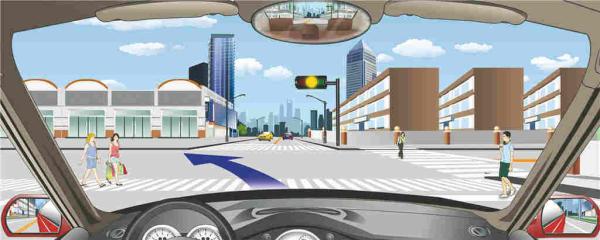
22. At this moment, the driver may speed up and pass the intersection rapidly.
A. Right
B. Wrong
Answer: B
23. When making a turn on a mountainous road, drivers should cut speed, sound the horn and drive along the right side.

A. Right
B. Wrong
Answer: A
24. As shown in this picture, the intersection guide line is designed to help drivers make turns.

A. Right
B. Wrong
Answer: A
25. When following other vehicles on a foggy day, what should the driver do?
A. Maintain a large safety distance
B. Turn on the high-beam
C. Turn on the low-beam
D. Sound the horn in due time
Answer: A
- 有国外驾照的外国人只需考科目一
-
- ENGLISH 英语科目一2026年新题库 驾照:C1 C2
- FRENCH 法语科目一2026年新题库 驾照:C1 C2
- GERMAN 德语科目一2026年新题库 驾照:C1 C2
- SPANISH 西班牙语科目一2026年新题库 驾照:C1 C2
- JAPANESE 日语科目一2026年新题库 驾照:C1 C2
- KOREAN 韩语科目一2026年新题库 驾照:C1 C2
- RUSSIAN 俄语科目一2026年新题库 驾照:C1 C2
- ARABIC 阿拉伯语科目一2026年新题库 驾照:C1 C2
- MOTORCYCLE 摩托车科目一2026年新题库 驾照:D E
- 没有国外驾照的外国人还需要考科目四
-
- ENGLISH 英语科目四2026年新题库 驾照:C1 C2
- KOREAN 韩语科目四2026年新题库 驾照:C1 C2
- MOTORCYCLE 摩托车科目四2026年新题库 驾照:D E