赣州摩托车英文驾考题库下载
1. When encountering a road like this, motor vehicle drivers may make good use of neutral gear to coast.

A. Right
B. Wrong
Answer: B
2. When rescuing a wounded person suffering blood loss in an emergency, it is necessary to first stop the bleeding by compression before other treatments are taken in accordance with the conditions of bleeding.
A. Right
B. Wrong
Answer: A
3. The sign on the right warns of a village or town ahead suggesting a 30km/hour speed.

A. Right
B. Wrong
Answer: A
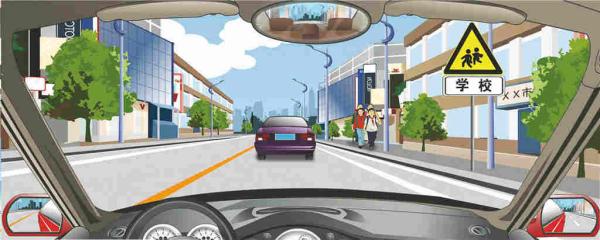
4. The sign on the right warns for children on the section ahead.
A. Right
B. Wrong
Answer: A
5. What matters need attention when driving on a rainy day?
A. Avoid using the emergency brake or making sharp turns
B. Keep a safe enough distance
C. Observe the traffic situation of non-motor vehicles and surrounding pedestrians
D. Drive at a safe speed
Answer: ABCD
6. If a motor vehicle has an accident on a foggy day and stops on an expressway, which of the following acts is dangerous?
A. Leaving the motor vehicle as soon as possible
B. Standing outside the guardrail as much as possible
C. Turning on the hazard lamp and fog lamp
D. Placing a warning sign behind the vehicle in the oncoming direction
Answer: D
7. The sign on the right indicates a one-kilometer distance from ETC toll station ahead.

A. Right
B. Wrong
Answer: B
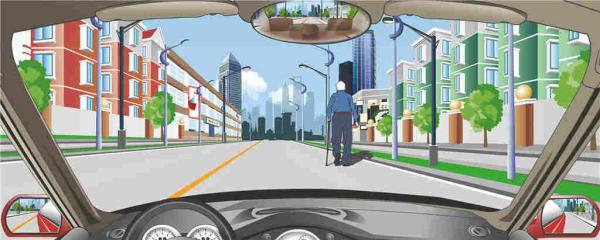
8. When encountering such pedestrians, motor vehicle drivers may continuously sound the horn to alert them to yield.
A. Right
B. Wrong
Answer: B
9. When driving on an expressway, what should the driver do if he has missed an exit but the next exit is far away?
A. Reverse along the road shoulder
B. Continue on
C. Stop immediately
D. Make a U-turn at the current location
Answer: B
10. What should the driver do when a motor vehicle encounters this situation on a mountain road?
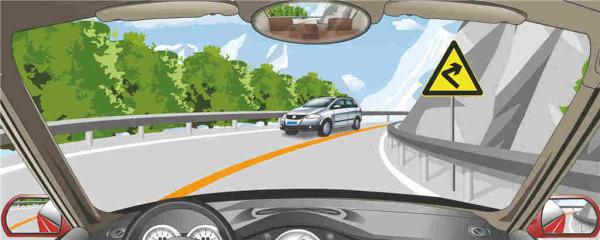
A. Stick to respective lanes and speed up to approach each other
B. Drive close to the central line of the road
C. Retain the normal speed
D. Slow down
Answer: D
11. The sign on the right warns of a bumpy road ahead.

A. Right
B. Wrong
Answer: B
12. The driver should turn left by the left side of the intersection central point.

A. Right
B. Wrong
Answer: A
13. Gun powder, explosives and detonating powder belong to which of the following dangerous chemicals?
A. Oxidizing materials
B. Inflammable solid materials
C. Explosives
D. Self-igniting articles
Answer: C
14. The sign in front indicates a temporary parking lot on the right side of the highway.

A. Right
B. Wrong
Answer: B
15. Which one of the following is the safest way when driving a motor vehicle on this road?

A. Speed up and bypass the obstacle
B. Take the opposite lane and compel the other vehicle to yield
C. Stop and yield to the oncoming vehicle
D. Sound the horn or turn on the headlamp
Answer: C
16. Motor vehicle drivers may make a U-turn in the broken line area as long as it will not affect the normal traffic flow.

A. Right
B. Wrong
Answer: A
17. After entering the acceleration lane of an expressway, the driver should increase the speed to how many kilometers per hour?
A. More than 30 km/hour
B. More than 40 km/hour
C. More than 50 km/hour
D. More than 60 km/hour
Answer: D
18. This sign indicates the traffic broadcast and radio television channel of highway.

A. Right
B. Wrong
Answer: B
19. A driver should accelerate in advance to overtake then it is likely to meet with oncoming vehicles.
A. Right
B. Wrong
Answer: B
20. Under this circumstance, motor vehicle drivers should not reduce speed.

A. Right
B. Wrong
Answer: B
21. The sign on the right warns of a non-motor vehicle lane.

A. Right
B. Wrong
Answer: B
22. When making a turn on a mountainous road, drivers should cut speed, sound the horn and drive along the right side.

A. Right
B. Wrong
Answer: A
23. The sign on the left indicates the destinations of two highway directions

A. Right
B. Wrong
Answer: A
24. The sign on the right indicates a T-shaped intersection head.

A. Right
B. Wrong
Answer: B
25. The motor vehicle should speed up and pass rapidly under this situation.

A. Right
B. Wrong
Answer: B
- 有国外驾照的外国人只需考科目一
-
- ENGLISH 英语科目一2026年新题库 驾照:C1 C2
- FRENCH 法语科目一2026年新题库 驾照:C1 C2
- GERMAN 德语科目一2026年新题库 驾照:C1 C2
- SPANISH 西班牙语科目一2026年新题库 驾照:C1 C2
- JAPANESE 日语科目一2026年新题库 驾照:C1 C2
- KOREAN 韩语科目一2026年新题库 驾照:C1 C2
- RUSSIAN 俄语科目一2026年新题库 驾照:C1 C2
- ARABIC 阿拉伯语科目一2026年新题库 驾照:C1 C2
- MOTORCYCLE 摩托车科目一2026年新题库 驾照:D E
- 没有国外驾照的外国人还需要考科目四
-
- ENGLISH 英语科目四2026年新题库 驾照:C1 C2
- KOREAN 韩语科目四2026年新题库 驾照:C1 C2
- MOTORCYCLE 摩托车科目四2026年新题库 驾照:D E