庆阳英文驾考科目四考试题库
1. How should the driver use vehicle lights when the motor vehicle leaves a roundabout?
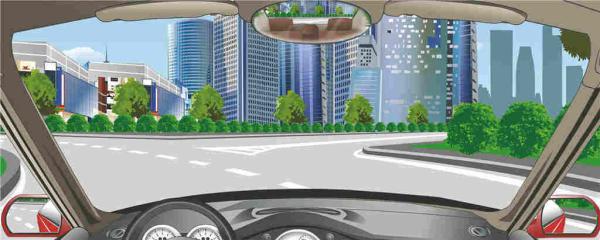
A. Turn on the left-turn indicator
B. Turn on the hazard lamps
C. No need to turn on any indicators
D. Turn on the right-turn indicator
Answer: D
2. When driving into the traffic flow on a main road from a relief road, drivers should speed up.
A. Right
B. Wrong
Answer: B
3. When driving on an expressway which of the following statements is correct?
A. Drivers may stop to pick up or drop off passengers in the emergency lane
B. Drives may load or unload cargo in the emergency lane
C. Drives may overtake other vehicles or stop in the deceleration or acceleration lane
D. Drives are prohibited from driving or stopping in the emergency lane in a non-emergency case
Answer: D
4. When such circumstances happen suddenly, drivers should reduce speed in a timely fashion or stop to yield.

A. Right
B. Wrong
Answer: A
5. Under such circumstances, what should the motor vehicle driver do?

A. Reduce speed and yield by the left side
B. Reduce speed and yield by the right side
C. Speed up and yield by the left side
D. Go ahead along the original route
Answer: A
6. A motor vehicle should slow down and stop at this level crossing.
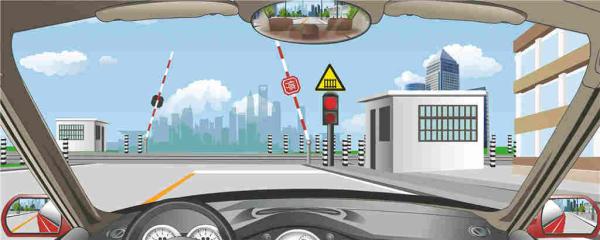
A. Right
B. Wrong
Answer: A
7. A driver should accelerate in advance to overtake then it is likely to meet with oncoming vehicles.
A. Right
B. Wrong
Answer: B
8. Sideslip happens most easily on which one of the following road surfaces?
A. Dry concrete road
B. Road surface at the beginning of rain
C. Damp concrete road surface
D. Road in heavy rain
Answer: B
9. This road marker indicates that the minimum speed for this road section is 60 km/hour.

A. Right
B. Wrong
Answer: B
10. When parking temporarily in this situation, motor vehicle drivers are allowed to turn the steering wheel left to avoid sliding.

A. Right
B. Wrong
Answer: A
11. As shown in the flash, the motor vehicle chooses a correct way to pass through the level crossing.

A. Right
B. Wrong
Answer: A
12. What is the meaning of the sign on the right?

A. Parking prohibited
B. Temporary parking permitted
C. Picking up or dropping off passengers permitted
D. Stopping to unload permitted
Answer: A
13. Drivers may go straight and pass through when trafficpolice give these hand signals

A. Right
B. Wrong
Answer: B
14. When driving on an expressway, which of the following statements is not correct?
A. Drivers are not allowed to drive by riding or rolling on the lane dividing line
B. Drivers are prohibited from driving on road shoulders
C. Drivers may overtake on the ramp, the acceleration lane or the deceleration lane
D. Drivers are prohibited from learning to drive
Answer: C
15. If a fast-moving motor vehicle has a steering failure, using emergency braking will not cause an overturn.
A. Right
B. Wrong
Answer: B
16. How many kinds of law-breaking acts are displayed in flash 2?

A. One
B. Two
C. Three
D. Four
Answer: B
17. What should the driver do when the motor vehicle encounters this situation in a residential area?

A. Stop immediately
B. Speed up and pass rapidly
C. Sound the horn continuously
D. Slow down and pass slowly
Answer: A
18. The guide arrow on the road surface of this lane indicates that drivers are only permitted to continue straight at the intersection ahead.

A. Right
B. Wrong
Answer: B
19. It is an illegal act for the driver to make calls while driving.
A. Right
B. Wrong
Answer: A
20. When a motor vehicle enters an expressway from the ramp, which of the following lamps should be turned on?
A. The left-turn indicator
B. The right-turn indicator
C. The hazard warning lamp
D. The headlamp
Answer: A
21. When rescuing a wounded person suffering blood loss in an emergency, it is necessary to first stop the bleeding by compression before other treatments are taken in accordance with the conditions of bleeding.
A. Right
B. Wrong
Answer: A
22. The sign on the right indicates a left-turn bypass route at the intersection ahead.

A. Right
B. Wrong
Answer: A
23. In the flash, it is correct for the driver to behave this way when there is a traffic jam caused by an accident on the expressway.
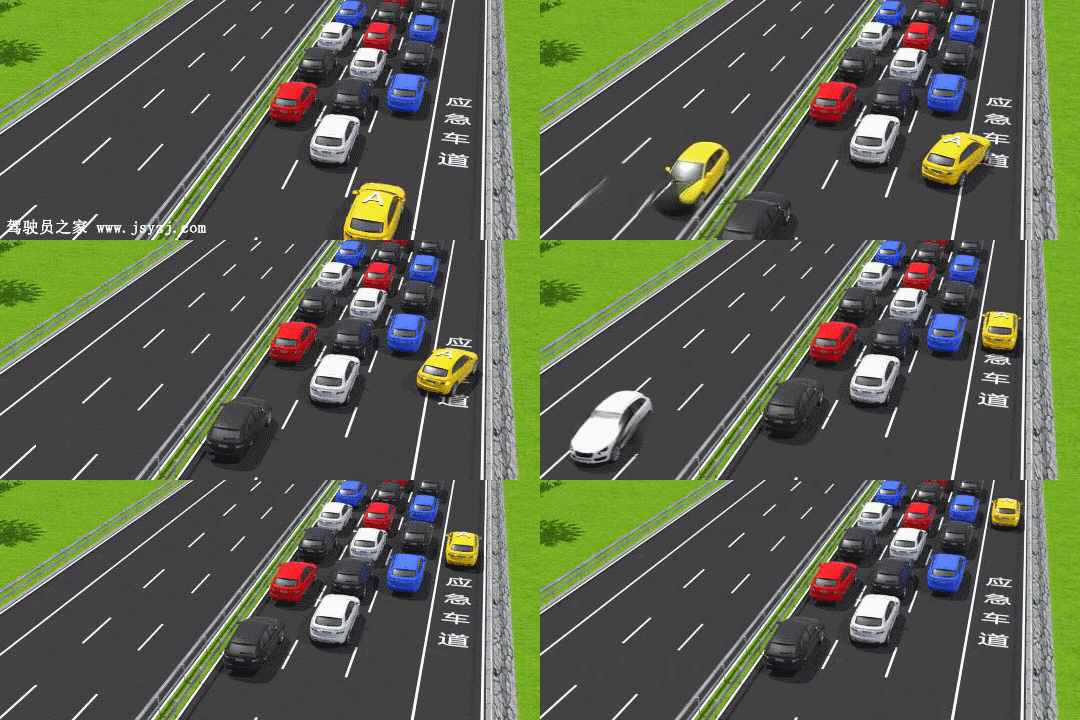
A. Right
B. Wrong
Answer: B
24. What should the driver pay attention to when the motor vehicle on the main road approaches a junction with a feeder road?

A. Slow down in advance and pay attention to other motor vehicles
B. Maintain the normal speed
C. Sound the horn and pass rapidly
D. Speed up and pass rapidly
Answer: A
25. How should lamps be used when motor vehicle drivers pass through a two-way tunnel?
A. Turn on the hazard lamps
B. Turn on the high-beam
C. Turn on the fog lamp
D. Turn on the low-beam
Answer: D
- 有国外驾照的外国人只需考科目一
-
- ENGLISH 英语科目一2026年新题库 驾照:C1 C2
- FRENCH 法语科目一2026年新题库 驾照:C1 C2
- GERMAN 德语科目一2026年新题库 驾照:C1 C2
- SPANISH 西班牙语科目一2026年新题库 驾照:C1 C2
- JAPANESE 日语科目一2026年新题库 驾照:C1 C2
- KOREAN 韩语科目一2026年新题库 驾照:C1 C2
- RUSSIAN 俄语科目一2026年新题库 驾照:C1 C2
- ARABIC 阿拉伯语科目一2026年新题库 驾照:C1 C2
- MOTORCYCLE 摩托车科目一2026年新题库 驾照:D E
- 没有国外驾照的外国人还需要考科目四
-
- ENGLISH 英语科目四2026年新题库 驾照:C1 C2
- KOREAN 韩语科目四2026年新题库 驾照:C1 C2
- MOTORCYCLE 摩托车科目四2026年新题库 驾照:D E