凉山州驾照考试科目四英文版
1. When driving on an expressway, which of the following statements is correct?
A. Drivers may overtake on either the ramp, the acceleration lane or the deceleration lane
B. Drivers are prohibited from reversing, driving in the opposite direction or making a U turn by crossing the central dividing strip
C. Drivers may drive on the emergency lane in a non-emergency case
D. Drivers may test a motor vehicle or learn to drive
Answer: B
2. When encountering such a situation, motor vehicle drivers should take the left lane.

A. Right
B. Wrong
Answer: B
3. The sign on the right warns of low-lying road ahead.

A. Right
B. Wrong
Answer: A
4. Motor vehicle drivers are allowed to overtake on this road section.
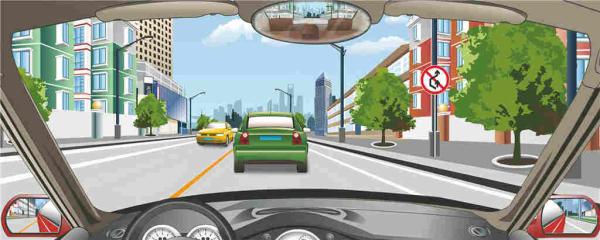
A. Right
B. Wrong
Answer: B
5. Under such circumstances at a congested intersection, what should motor vehicle drivers do?

A. Force the vehicle to go back to its original lane
B. Closely follow the vehicle in front and refuse to yield
C. Politely yield and pass through
D. Sound the horn and turn on the head lamps
Answer: C
6. What should drivers do when encountering a rainstorm on a common road and the windscreen-wiper fails to make sight clear?
A. Drive at a reduced speed
B. Drive carefully
C. Cut speed in time and pull over
D. Drive at a normal speed
Answer: C
7. When the rear wheels of a motor vehicle skid sideways on a muddy road, the driver should turn the steering wheel in the opposite direction of the side skid.
A. Right
B. Wrong
Answer: B
8. The broken and solid white line on the road indicates that crossing is allowed on the solid line side.
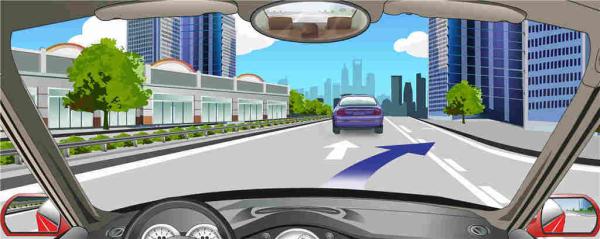
A. Right
B. Wrong
Answer: B
9. How will the adhesive force of road change when speed increases on a damp and slippery road?
A. Increase sharply
B. Increase gradually
C. decrease sharply
D. No change
Answer: C
10. The diamond-shaped broken line warns that drivers should drive at a lower speed on the road sections ahead.

A. Right
B. Wrong
Answer: A
11. The sign on the right warns of a sharp winding road ahead.

A. Right
B. Wrong
Answer: B
12. When the vehicle behind gives a notice of overtaking at night, the vehicle in front should not yield blindly.

A. Right
B. Wrong
Answer: A
13. When encountering this situation on a mountainous road, motor vehicle drivers should overtake the vehicle in front by speeding up.

A. Right
B. Wrong
Answer: B
14. When a fast-moving vehicle encounters an emergency the driver should turn to evade first and then brake to slow down so as to mitigate the damage.
A. Right
B. Wrong
Answer: B
15. As shown in this picture, the vehicles intending to turn left are allowed to drive into the left-turn waiting area directly to wait for the green light.

A. Right
B. Wrong
Answer: B
16. The sign on the right warns of a widened right-hand road ahead.

A. Right
B. Wrong
Answer: B
17. As shown in the flash, when overtaking a vehicle in front, the driver should make the horizontal distance as large as possible and may cross the solid line if necessary.

A. Right
B. Wrong
Answer: B
18. What is the best way to make turns on this kind of curving mountain road?
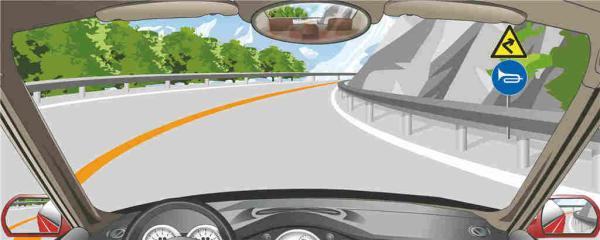
A. Drive along the outer side of the curve
B. Slow down, sound the horn and drive on the right
C. Borrow the opposite lane
D. Drive along the central line of the road
Answer: B
19. The driver may not yield when the motor vehicle encounters this situation at the intersection.

A. Right
B. Wrong
Answer: B
20. Under such circumstances, what should motor vehicle drivers do?

A. Follow the vehicle closely
B. Overtake the vehicle quickly on its left
C. Keep a long braking distance
D. Overtake the vehicle quickly on its right
Answer: C
21. Motor vehicles are prohibited from turning left in this situation.

A. Right
B. Wrong
Answer: A
22. The sign on the right indicates an inspection station 100 meters ahead.

A. Right
B. Wrong
Answer: A
23. It is safest for a motor vehicle driver to overtake the vehicle in front from its righthand on this kind of road.

A. Right
B. Wrong
Answer: B
24. What should the driver do when the motor vehicle encounters this situation in a residential area?

A. Stop immediately
B. Speed up and pass rapidly
C. Sound the horn continuously
D. Slow down and pass slowly
Answer: A
25. Which of the following is a bad habit when changing lanes?
A. Turning on the indicator in advance
B. Observing closely before changing a lane
C. Change lanes at will
D. Not obstructing the passing of other normally moving vehicles
Answer: C
- 有国外驾照的外国人只需考科目一
-
- ENGLISH 英语科目一2026年新题库 驾照:C1 C2
- FRENCH 法语科目一2026年新题库 驾照:C1 C2
- GERMAN 德语科目一2026年新题库 驾照:C1 C2
- SPANISH 西班牙语科目一2026年新题库 驾照:C1 C2
- JAPANESE 日语科目一2026年新题库 驾照:C1 C2
- KOREAN 韩语科目一2026年新题库 驾照:C1 C2
- RUSSIAN 俄语科目一2026年新题库 驾照:C1 C2
- ARABIC 阿拉伯语科目一2026年新题库 驾照:C1 C2
- MOTORCYCLE 摩托车科目一2026年新题库 驾照:D E
- 没有国外驾照的外国人还需要考科目四
-
- ENGLISH 英语科目四2026年新题库 驾照:C1 C2
- KOREAN 韩语科目四2026年新题库 驾照:C1 C2
- MOTORCYCLE 摩托车科目四2026年新题库 驾照:D E