鹤岗科目四英文试题
1. Where is the proper parking place for breakdown motor vehicles stopping for examination?
A. In the far outer lane
B. In the inner lane
C. In the emergency lane
D. Entrance area of the ramp
Answer: C
2. Motor vehicle drivers are allowed to make a U-turn at this intersection.

A. Right
B. Wrong
Answer: B
3. When driving on this section of the road, drivers should observe closely and prepare to yield to the animals crossing the road.

A. Right
B. Wrong
Answer: A
4. When parking for a long time on a downward slope due to breakdown on the road, drivers should use this method to stop up wheels.

A. Right
B. Wrong
Answer: A
5. If a motor vehicle deviates from the straight direction due to steering failure, what should be done by the driver in order to reduce speed and stop the vehicle as soon as possible?
A. Gently depressing the brake pedal
B. Pulling up the handbrake
C. Immediately changing to a low gear to reduce speed
D. Decisively and continuously depressing and releasing the brake pedal
Answer: D
6. The sign on the right indicates an inspection station 100 meters ahead.

A. Right
B. Wrong
Answer: A
7. What should be done by the driver who intends to overtake but the motor vehicle in front neither reduces its speed nor allows the right of way?
A. Continuously sounding the horn and accelerating to overtake
B. Accelerating and continuing to overtake
C. Refraining from overtaking
D. Following the vehicle in front closely and finding a chance to overtake
Answer: C
8. When a motor vehicle temporarily stops in fog, which lamp should be turned on?
A. Hazard lamp, clearance lamp and rear position lamp
B. Left-turn indicator, clearance lamp and rear position amp
C. Headlamp, clearance lamp and rear position lamp
D. Reverse lamp, clearance lamp and rear position lamp
Answer: A
9. If a motor vehicle experiences a water sliding phenomenon when running on an expressway in rain, what should the driver do?
A. Slow down by suddenly depressing the brake pedal
B. Slow down by slowly releasing the accelerator pedal
C. Turn the steering wheel immediately to adjust the direction
D. Speed up to increase the displacement of the wheels
Answer: B
10. The sign in front indicates a 4-kilometer distance from the next exit.

A. Right
B. Wrong
Answer: A
11. The sign on the right warns of a widened right-hand road ahead.

A. Right
B. Wrong
Answer: B
12. The driver may not yield when the motor vehicle encounters this situation at the intersection.

A. Right
B. Wrong
Answer: B
13. When a motor vehicle slides sideways, how should the driver adjust the direction?
A. If the front wheels skid sideways, turn the steering wheel in the direction of the skid
B. If the front wheels skid sideways, turn the steering wheel in the opposite direction of the skid
C. If the rear wheels skid sideways, turn the steering wheel in the direction of the skid
D. If the rear wheels skid sideways, turn the steering wheel in the opposite direction of the skid
Answer: BC
14. The guide arrow on the road surface of this lane indicates that only right turns are permitted at the intersection ahead.

A. Right
B. Wrong
Answer: B
15. Unless stopping due to obstacles or vehicle breakdown on an expressway, motor vehicles are not allowed to stop to pick up or drop off people or load and unload cargo.
A. Right
B. Wrong
Answer: A
16. When a head-on collision with another vehicle is unavoidable, what should the driver do?
A. Change head-on collision to side collision
B. Immediately turn the steering wheel to the right side to evade
C. Immediately apply emergency braking
D. Immediately turn the steering wheel to the left side to evade
Answer: C
17. When there is a sudden braking failure on a downhill road, in which ones of the following ways can drivers reduce speed?
A. Driving onto the emergency lane and reduce speed and stop there
B. Rubbing the vehicle body against the rocks or trees on roadside
C. Pulling up the handbrake first
D. Immediately changing to a low gear
Answer: ABD
18. When driving in a heavy rain, drivers should contro their speed to prevent their vehicles from sliding.
A. Right
B. Wrong
Answer: A
19. When passing an intersection, vehicle motor drivers are not allowed to overtake.
A. Right
B. Wrong
Answer: A
20. In this situation, motor vehicles are permitted to stop temporarily at bus stations.

A. Right
B. Wrong
Answer: B
21. If a fast-moving motor vehicle has a steering failure, using emergency braking will not cause an overturn.
A. Right
B. Wrong
Answer: B
22. When encountering such pedestrians, motor vehicle drivers may continuously sound the horn to alert them to yield.
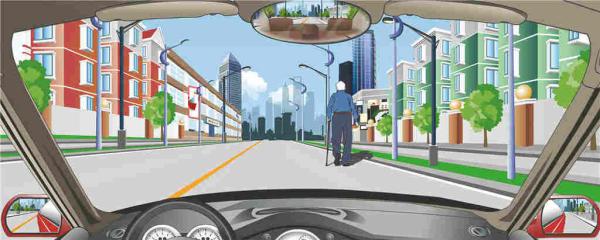
A. Right
B. Wrong
Answer: B
23. Under such circumstances, the motor vehicle is allowed to overtake.

A. Right
B. Wrong
Answer: B
24. When approaching another vehicle at night, why should the driver alternate between high-and-low-beam at a distance more than 150 meters?
A. Warn each other before passing
B. Driving habit
C. Easy to observe the situation ahead from either side
D. Courtesy
Answer: C
25. Motor vehicles should stop and yield rapidly when encountering this situation at a bus station.

A. Right
B. Wrong
Answer: A
- 有国外驾照的外国人只需考科目一
-
- ENGLISH 英语科目一2027年新题库 驾照:C1 C2
- FRENCH 法语科目一2027年新题库 驾照:C1 C2
- GERMAN 德语科目一2027年新题库 驾照:C1 C2
- SPANISH 西班牙语科目一2027年新题库 驾照:C1 C2
- JAPANESE 日语科目一2027年新题库 驾照:C1 C2
- KOREAN 韩语科目一2027年新题库 驾照:C1 C2
- RUSSIAN 俄语科目一2027年新题库 驾照:C1 C2
- ARABIC 阿拉伯语科目一2027年新题库 驾照:C1 C2
- MOTORCYCLE 摩托车科目一2027年新题库 驾照:D E
- 没有国外驾照的外国人还需要考科目四
-
- ENGLISH 英语科目四2027年新题库 驾照:C1 C2
- KOREAN 韩语科目四2027年新题库 驾照:C1 C2
- MOTORCYCLE 摩托车科目四2027年新题库 驾照:D E